From the blog
The 5-Minute Morning Skincare Routine That Actually Works
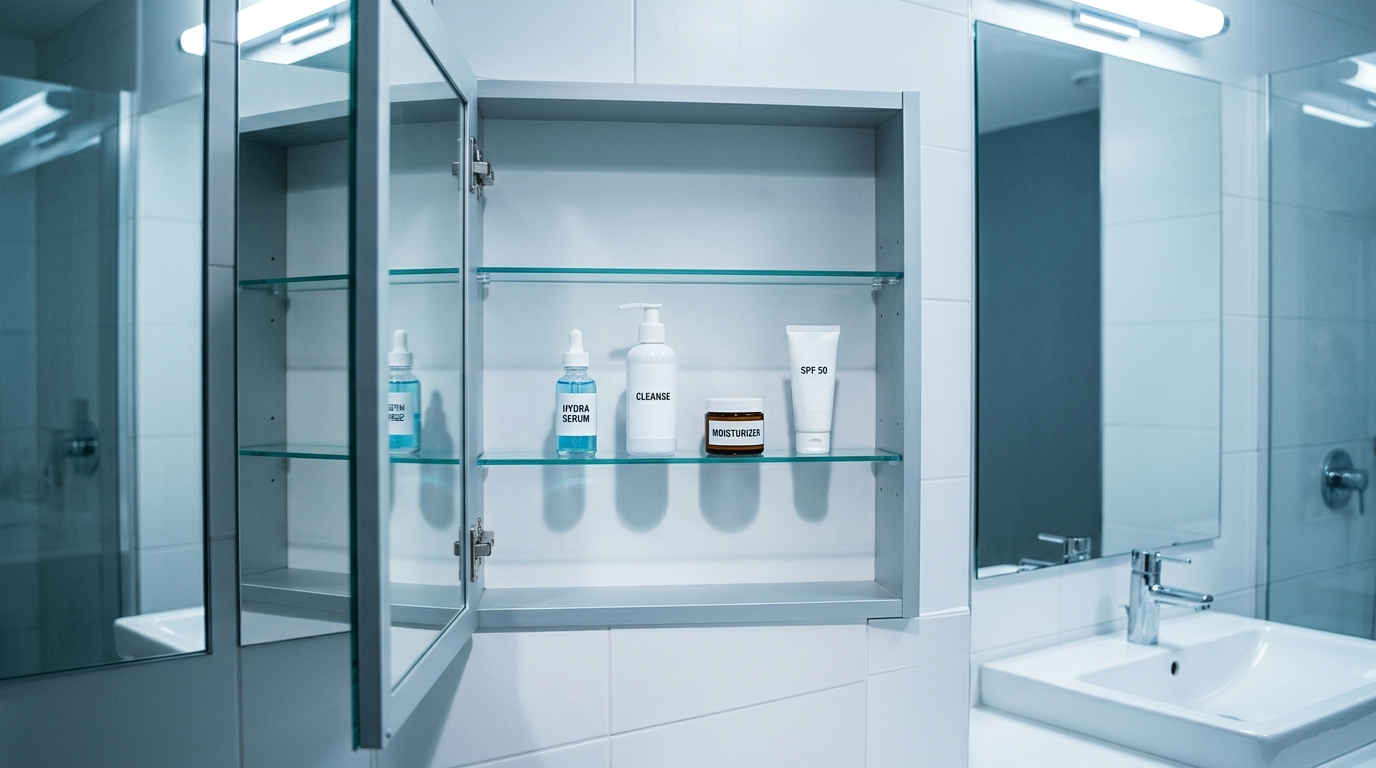
A five-step morning skincare routine done in five minutes outperforms a complicated 12-step process done inconsistently. Consistency, correct product order, and the right three to five products for your skin type deliver measurable results - clearer skin, fewer breakouts, and visible reduction in fine lines - within four to six weeks.
Most people abandon skincare routines not because they don't care, but because the routine takes too long. When your alarm goes off and you have 20 minutes before you need to leave, a 15-step process gets skipped entirely. This routine is engineered around that reality. Every step has a purpose, nothing is filler, and the whole thing takes under five minutes once you've done it three times.
Why Morning Skincare Is Different From Evening Skincare
Your morning routine has one primary job: protect your skin from the day ahead. UV radiation, pollution, blue light, and environmental oxidative stress all degrade your skin barrier and accelerate collagen breakdown. Your evening routine is about repair and renewal. Conflating the two leads to either over-treating in the morning (heavy actives that increase sun sensitivity) or under-protecting (skipping SPF because your routine feels too long already).
Morning skincare priorities in order of importance:
- Cleanse lightly- remove overnight sebum and any product residue without stripping your barrier
- Hydrate- restore water content so skin functions as an effective barrier
- Treat- apply one targeted active if needed (antioxidant serum is the gold standard for mornings)
- Moisturize- lock in hydration and support the skin barrier
- Protect- SPF every single morning, no exceptions
The Exact 5-Minute Routine, Step by Step
Step 1: Gentle Cleanser (60 seconds)
Use a low-pH, sulfate-free cleanser. In the morning, you're not washing off makeup or sunscreen - you're rinsing away overnight sebum and perspiration. A gel or micellar water cleanser works for oily to combination skin. A cream cleanser works for dry or sensitive skin. Spend 30 seconds massaging, 30 seconds rinsing with lukewarm water. Hot water breaks down your lipid barrier.
If your skin is extremely dry or sensitive, a plain water rinse in the morning is legitimate dermatologist-backed advice - save the cleanser for the evening when there's actually more to wash off.
Step 2: Vitamin C Serum (30 seconds)
A stabilized Vitamin C serum - specifically L-ascorbic acid at 10–20% concentration, or a more stable derivative like ascorbyl glucoside - is the single highest-return morning active you can use. It neutralizes free radicals generated by UV exposure, supports collagen synthesis, and brightens post-inflammatory hyperpigmentation over time. Apply three to four drops to damp skin, press in gently, and let it absorb for 30 seconds before the next step.
If Vitamin C irritates your skin, substitute a niacinamide serum at 5–10%. Niacinamide regulates sebum, strengthens the barrier, and reduces redness - also a strong morning choice.
Step 3: Moisturizer (30 seconds)
Moisturizer isn't optional, even for oily skin. An oily complexion is often a sign of a dehydrated, overstripped barrier producing excess sebum to compensate. Use a lightweight, non-comedogenic moisturizer with humectants like hyaluronic acid or glycerin and occlusives like squalane or ceramides. Apply while skin is still slightly damp - this seals in surface water rather than pulling moisture from deeper skin layers.
Dry skin types benefit from a slightly richer cream. Combination and oily skin types do well with gel-cream or water-gel formulas that hydrate without adding shine.
Step 4: SPF 30+ Sunscreen (60 seconds)
This step is non-negotiable. UV radiation is the single largest controllable contributor to premature skin aging, hyperpigmentation, and skin cancer risk. A broad-spectrum SPF 30 blocks approximately 97% of UVB rays; SPF 50 blocks roughly 98%. The difference matters less than whether you're applying it every morning - including overcast days and days spent mostly indoors near windows (UVA penetrates glass).
Modern sunscreen formulas in 2026 are dramatically more elegant than they were a decade ago. Mineral sunscreens with zinc oxide now come in tinted, non-chalky formulas that work on all skin tones. Chemical sunscreens like those with Tinosorb S or Uvinul A Plus absorb invisibly and are cosmetically indistinguishable from moisturizer. Apply a nickel-sized amount to your face, a separate amount for your neck, and blend fully.
Note: If your moisturizer claims to contain SPF, use it as your moisturizer - then apply a dedicated sunscreen on top. Moisturizer with SPF is rarely applied in adequate amounts to achieve the stated sun protection factor.
Optional Step: Lip Balm With SPF (15 seconds)
Lips have no melanin and no sebaceous glands. They burn faster than facial skin and show sun damage as loss of definition along the lip border. A 30-second habit of applying an SPF lip balm while your sunscreen absorbs adds meaningful protection with zero friction.
Product Order: Why Sequence Matters
Morning Skincare Order and Rationale Step Product Type Why This Position 1 Cleanser Clear skin so subsequent products absorb correctly 2 Serum (Vitamin C / Niacinamide) Actives penetrate best on clean skin before occlusive layers 3 Moisturizer Locks in serum and hydrates before the occlusive SPF layer 4 Sunscreen Always the final step - must sit on top to work as formulatedCommon Mistakes That Wreck a Good Routine
- Using retinol in the morning. Retinol degrades in UV light and increases photosensitivity. Keep it strictly in your evening routine.
- Applying SPF under moisturizer. Sunscreen must be the final skincare step before makeup. Applying it under moisturizer disrupts the UV-filter film and reduces efficacy.
- Using too many actives at once. A beginner morning routine with a Vitamin C serum, a glycolic acid toner, a retinol (wrong time of day), and a niacinamide serum creates irritation and barrier disruption. Pick one targeted active per routine.
- Skipping moisturizer because skin feels oily. Oily, dehydrated skin needs hydration - just from a lighter formula.
- Using the same towel on your face for weeks. Bacteria accumulate on face towels within days. Use a clean towel or disposable cotton rounds for patting your face dry.
How to Customize for Your Skin Type
Oily / Acne-prone: Foaming or gel cleanser, niacinamide serum, oil-free gel moisturizer, chemical sunscreen (no white cast).
Dry / Sensitive: Cream or micellar cleanser (or water rinse), Vitamin C or skip the active entirely, rich cream moisturizer with ceramides, mineral tinted SPF.
Combination: Gel-cream cleanser, Vitamin C or niacinamide serum, lightweight gel-cream moisturizer, hybrid mineral-chemical SPF.
Mature skin: Gentle cream cleanser, Vitamin C serum (supports collagen synthesis), peptide-rich moisturizer, broad-spectrum SPF 50.
What to Expect and When
Skincare results follow a predictable timeline. Within the first two weeks, skin typically feels more hydrated and looks less dull - this is your barrier stabilizing. Between weeks four and eight, you'll notice more even tone and reduced redness as the Vitamin C or niacinamide compounds. At the three-month mark, collagen synthesis changes from antioxidant support become visible as improved skin texture and reduced fine lines. Sun protection benefits are cumulative and preventative - they're working even when you can't see them.
The routine only works if it's done daily. Missing one day is irrelevant. Missing three weeks because the routine felt too hard is where progress stalls. Keep your products in a single dedicated spot - ideally beside your toothbrush - so the habit stack is automatic.
5-minute Morning Skincare Routine FAQ
Do I need to cleanse in the morning if I cleansed the night before?
A light cleanse or water rinse is recommended for most skin types. Overnight, your skin produces sebum and sheds dead skin cells. Applying Vitamin C or SPF over that buildup reduces their effectiveness. If your skin is very dry or sensitive, a plain water rinse is sufficient - save the cleanser for evenings.
Can I combine my moisturizer and sunscreen into one product to save time?
Combination moisturizer-SPF products work and are better than skipping SPF entirely. The limitation is application volume - most people apply moisturizer in amounts far below what's needed to achieve the labeled SPF. If you use a combination product, apply generously. For maximum protection, a dedicated sunscreen applied after moisturizer remains more reliable.
Is Vitamin C safe for sensitive skin?
Pure L-ascorbic acid at concentrations above 15% can irritate sensitive skin. Start with a stabilized derivative like ascorbyl glucoside or ascorbyl tetraisopalmitate at 5–10%, which are gentler and still deliver antioxidant and brightening benefits. Alternatively, niacinamide at 5% is an excellent sensitive-skin alternative with strong evidence for barrier support and redness reduction.
How much sunscreen is actually enough?
Dermatologists recommend 1/4 teaspoon (approximately 1.25 ml) for the face alone, with a separate application for the neck and ears. Most people apply 20–50% of the amount needed to achieve the labeled SPF. When in doubt, apply more than feels comfortable - modern formulas absorb cleanly and don't require sparingly thin application to look good.
What if I wear makeup - does that replace any of these steps?
Makeup does not replace sunscreen, moisturizer, or any skincare step. Apply your full routine first, let your sunscreen set for two minutes, then apply makeup on top. Powder SPF products used for touch-ups throughout the day add a supplemental layer but don't replace a morning liquid sunscreen application.

