From the blog
Retinol 101: Everything You Need to Know Before Starting
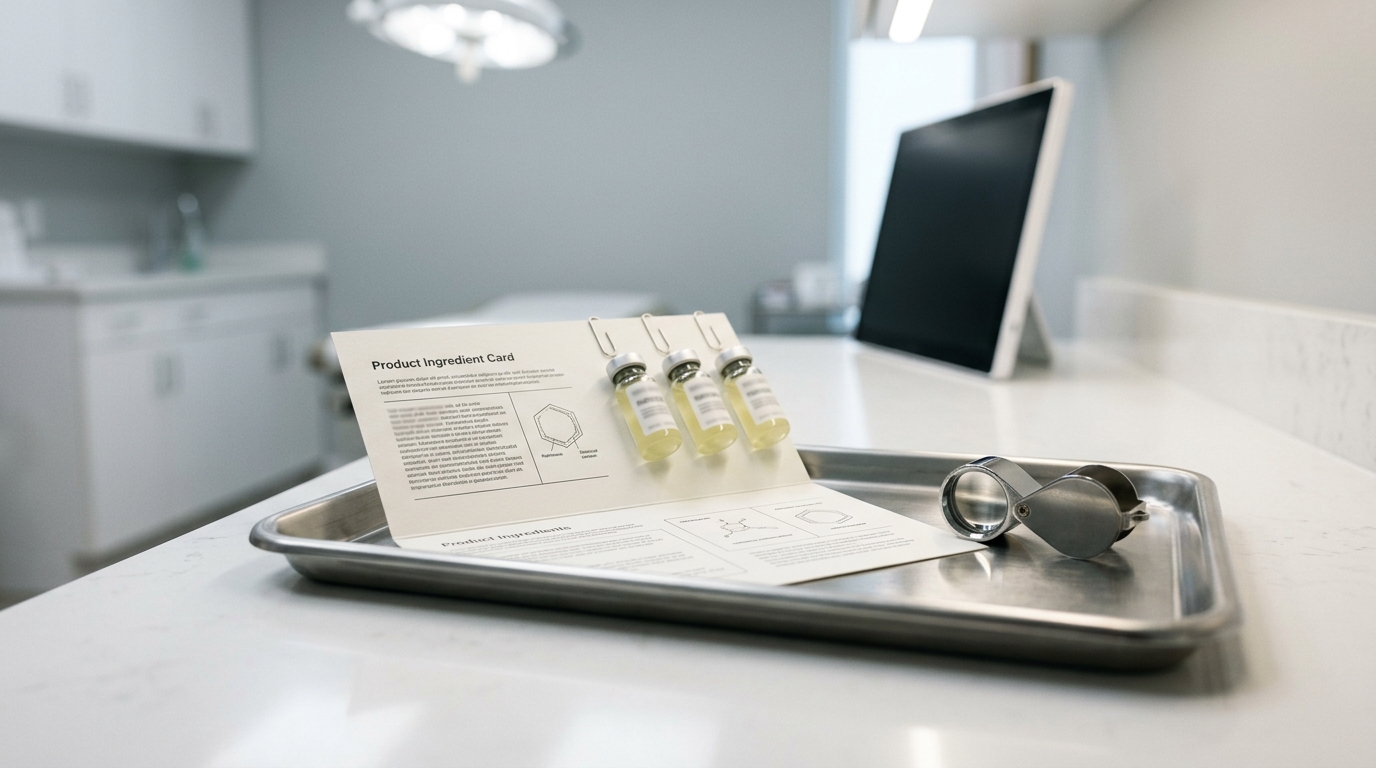
Retinol is a vitamin A derivative that accelerates skin cell turnover, stimulates collagen production, and reduces the appearance of fine lines, wrinkles, uneven tone, and acne - making it one of the most evidence-backed active ingredients in skincare. If you're considering adding it to your routine, here's exactly what you need to know before you begin.
What Retinol Actually Does to Your Skin
Retinol works by binding to retinoic acid receptors in your skin cells. This triggers a cascade of biological activity: dead skin cells shed faster, new cell production speeds up, and fibroblasts ramp up collagen synthesis. The result over weeks and months is smoother texture, reduced hyperpigmentation, smaller-looking pores, and firmer skin.
It's important to understand the conversion chain. Over-the-counter retinol is not the same as prescription tretinoin. Your skin converts retinol → retinaldehyde → retinoic acid before it becomes active. That conversion makes OTC retinol gentler than tretinoin but also means it takes longer to show results - typically 12 to 16 weeks for visible improvement in fine lines and texture.
Retinol Strengths: Which Percentage Should You Start With?
Retinol is sold in concentrations ranging from 0.01% to 1.0% in OTC products. Prescription tretinoin starts at 0.025% and goes up to 0.1%, but its mechanism makes it roughly 20 times more potent than an equivalent retinol percentage.
- 0.01% – 0.03%: Entry-level. Best for first-timers, sensitive skin types, or anyone who has experienced irritation with actives before.
- 0.05% – 0.1%: Beginner to intermediate. A solid starting point for most people with normal or combination skin.
- 0.25% – 0.3%: Intermediate. Appropriate after 8–12 weeks of tolerating a lower concentration.
- 0.5%: Intermediate to advanced. Noticeable anti-aging and acne benefits; increased risk of irritation for new users.
- 1.0%: Advanced. Reserved for skin that has been conditioned over months. Strong results, strong potential for peeling and sensitivity.
Start at the lowest effective concentration for your skin type. You can always increase - you cannot undo weeks of damaged skin barrier from starting too strong.
How to Introduce Retinol Without Wrecking Your Skin Barrier
The "retinol uglies" - a period of dryness, flaking, redness, and purging - are real, but largely avoidable with a smart introduction protocol.
- Start once per week. Apply a pea-sized amount to clean, fully dry skin on one night per week for the first two weeks.
- Increase frequency gradually. Move to twice weekly for two weeks, then every other night, then nightly - only if your skin is tolerating it well at each stage.
- Use the sandwich method if needed. Apply a thin layer of moisturizer before and after retinol to buffer irritation. This slows absorption slightly but dramatically reduces peeling.
- Avoid combining with other strong actives initially. Don't layer retinol with AHAs, BHAs, or vitamin C on the same night until your skin is fully conditioned - typically after 8–12 weeks.
- Wear SPF 30+ every morning, without exception. Retinol increases photosensitivity. Sun exposure during retinol use will directly undermine your results and can cause hyperpigmentation.
Retinol vs. Retinaldehyde vs. Tretinoin: A Direct Comparison
Ingredient Potency Conversion Steps to Retinoic Acid Irritation Risk Availability Retinol Low–Moderate 2 steps Low–Moderate OTC Retinaldehyde (Retinal) Moderate–High 1 step Moderate OTC Tretinoin High 0 steps (active form) High Prescription only Retinyl Palmitate Very Low 3 steps Very Low OTCRetinaldehyde has gained significant traction as a middle-ground option - more effective than standard retinol but accessible without a prescription. If standard retinol isn't delivering results after 16 weeks, retinaldehyde is a logical next step before going the prescription route.
Who Should Avoid Retinol
Retinol is not appropriate for everyone. The following groups should consult a dermatologist before starting - or avoid it entirely:
- Pregnant or breastfeeding individuals: All topical retinoids carry a warning due to the teratogenic risk associated with systemic vitamin A excess. Avoid entirely during pregnancy.
- Active eczema or rosacea flare-ups: A compromised or inflamed barrier cannot handle the additional cell turnover stress retinol creates.
- Skin recovering from laser treatments, chemical peels, or waxing: Wait at least 5–7 days after any procedure before reintroducing retinol.
- Anyone using oral acne medications like isotretinoin: Combining topical and oral retinoids amplifies toxicity risk.
What Results to Realistically Expect and When
Patience is non-negotiable with retinol. Here's a realistic timeline:
- Weeks 1–4: Possible purging (new breakouts as cell turnover speeds up), dryness, and mild flaking. This is normal and temporary.
- Weeks 4–8: Skin texture begins to smooth. Tone may start to even out. Breakouts from purging should subside.
- Weeks 8–16: Visible reduction in fine lines, improved radiance, and meaningful improvement in hyperpigmentation.
- Months 6–12: Full anti-aging benefits become apparent. Consistent use at this stage shows measurable increases in dermal collagen density, as confirmed by multiple peer-reviewed studies over the past decade.
Stopping retinol reverses its benefits over time. It's a long-term commitment, not a one-season fix.
Building the Rest of Your Routine Around Retinol
A retinol-compatible routine doesn't need to be complicated. The core components are:
- Morning: Gentle cleanser → antioxidant serum (vitamin C or niacinamide) → moisturizer → SPF 30+
- Night (retinol nights): Gentle cleanser → optional hydrating toner → retinol → moisturizer
- Night (non-retinol nights): Gentle cleanser → hydrating serum (hyaluronic acid, peptides) → moisturizer
Niacinamide pairs well with retinol and actively helps reduce the redness and irritation that retinol can trigger. Hyaluronic acid layered underneath retinol helps maintain barrier hydration. Avoid glycolic acid, salicylic acid, and vitamin C on the same nights as retinol until your skin is fully conditioned.
Choosing a Retinol Product: What to Look For
Retinol degrades quickly when exposed to light, air, and heat. When selecting a product, prioritize:
- Opaque or airless packaging: Clear glass jars expose retinol to light and oxygen, degrading it rapidly.
- Clear concentration labeling: If a product doesn't disclose its retinol percentage, you have no way to titrate your dose or progress logically.
- Stable formula partners: Antioxidants like vitamin E and niacinamide in the same formula help stabilize retinol and reduce irritation.
- Fragrance-free formulas: Fragrance compounds add irritation risk on top of an already sensitizing active ingredient.
How long does it take for retinol to work?
Most people see measurable texture and tone improvements between 8 and 16 weeks of consistent use. Fine lines and wrinkles require at least 3 to 6 months of regular application to show meaningful reduction. Patience and consistency are the two non-negotiable requirements.
Can I use retinol every night?
Once your skin is fully conditioned - typically after 8 to 12 weeks of gradual introduction - nightly use is appropriate for most skin types. Starting at nightly frequency is the most common mistake new retinol users make and is the primary cause of the "retinol uglies."
Is retinol safe for sensitive skin?
Yes, with the right approach. Sensitive skin types should start at 0.01% to 0.025%, use the sandwich moisturizer method, and limit initial frequency to once per week. Retinaldehyde is sometimes better tolerated than retinol for sensitive skin due to its lower required conversion steps and more predictable delivery.
Does retinol thin the skin?
This is a common myth. Retinol thins the outer dead-cell layer (the stratum corneum) through accelerated shedding, but it thickens the living dermis below by stimulating collagen and elastin production. Long-term retinol use produces structurally denser, not thinner, skin.
What's the difference between retinol and tretinoin?
Tretinoin is the active form of vitamin A (retinoic acid) and requires no conversion - it works immediately on skin receptors. Retinol must be converted by your skin through two enzymatic steps before becoming active, making it significantly gentler but slower-acting. Tretinoin is available by prescription only; retinol is available over the counter in concentrations up to 1.0%.

