From the blog
Best SPF Moisturizers for Every Skin Type in 2026
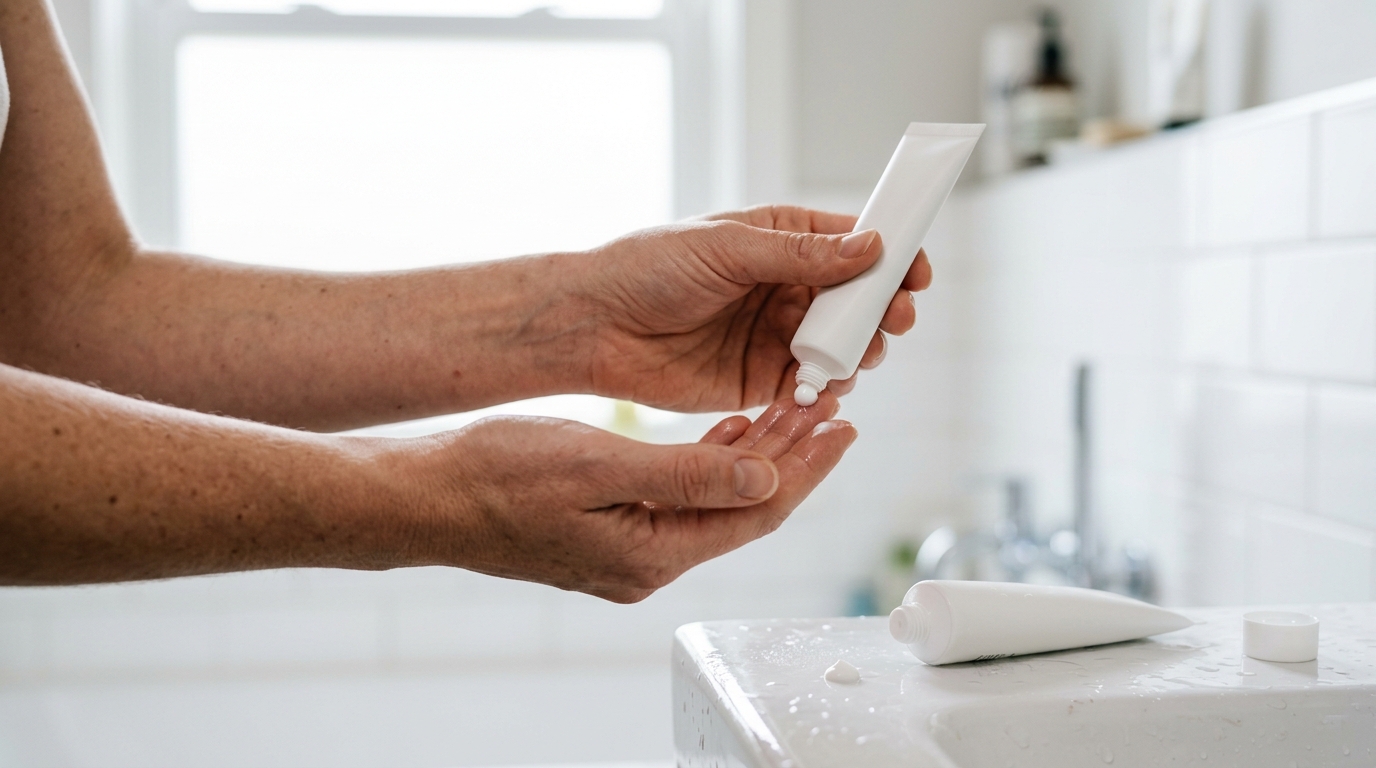
The best SPF moisturizer for your skin type combines broad-spectrum UVA/UVB protection of at least SPF 30 with ingredients that match your skin's specific needs - whether that's oil control, barrier repair, or lightweight hydration. In 2026, the market has matured significantly, with mineral, chemical, and hybrid formulas offering something genuinely useful for every complexion.
Daily SPF moisturizer is no longer a compromise between sun protection and skin care. Today's formulas deliver real hydration, minimal white cast, and cosmetically elegant finishes. Here's what to look for - and which products are leading the category right now.
Why Your Daily Moisturizer Should Have SPF
UV exposure is the single largest driver of premature skin aging, responsible for up to 80% of visible facial aging according to dermatological research. Applying sunscreen as a standalone step increases compliance, but combining it with your moisturizer removes one barrier from your routine and means you're less likely to skip it.
For daily urban and indoor-adjacent use, SPF 30 to SPF 50 is the clinically recommended range. SPF 30 blocks approximately 97% of UVB rays; SPF 50 blocks about 98%. Above SPF 50, the incremental difference is marginal unless you're at high altitude or spending extended time outdoors - in which case a dedicated sunscreen is the better tool.
How to Read an SPF Moisturizer Label in 2026
- Broad-spectrum: Non-negotiable. Covers both UVA (aging) and UVB (burning) rays.
- PA+++ or PA++++: The PA rating system, standard in Asian beauty markets and now widely adopted globally, grades UVA protection. PA++++ is the highest tier.
- Mineral vs. chemical filters: Zinc oxide and titanium dioxide (mineral) sit on the skin; avobenzone, octinoxate, and newer filters like Tinosorb S and Mexoryl XL (chemical) absorb UV energy. Hybrid formulas use both.
- Water resistance: Rated at 40 or 80 minutes. Most daily moisturizers are not water-resistant - note this if you exercise outdoors.
Best SPF Moisturizers by Skin Type
For Oily and Acne-Prone Skin
Top Pick: EltaMD UV Clear Broad-Spectrum SPF 46
EltaMD UV Clear remains the gold standard for oily and breakout-prone skin. It's oil-free, fragrance-free, and contains niacinamide (5%) to calm redness and minimize pore appearance. The lightweight, water-based formula disappears into skin without a greasy finish. It's non-comedogenic and works under makeup without pilling.
Runner-up: La Roche-Posay Anthelios Clear Skin SPF 60
This mineral-only formula uses an oil-absorbing complex that keeps shine at bay for 8+ hours in clinical testing. SPF 60 gives extra headroom for outdoor activities. The finish is genuinely matte - unusual for a moisturizing formula at this protection level.
For Dry and Dehydrated Skin
Top Pick: Cetaphil Healthy Radiance Whipped Day Cream SPF 30
Rich in ceramides and niacinamide, this whipped cream formula restores barrier function while delivering SPF 30 protection. It's fragrance-free, suitable for sensitive skin, and leaves a luminous rather than flat finish - ideal for dry skin that looks dull without moisture.
Runner-up: Supergoop! Glow Screen SPF 40
Supergoop's Glow Screen delivers SPF 40 with a dewy, lit-from-within finish. Hyaluronic acid and vitamin B5 provide sustained hydration throughout the day. It doubles as a makeup primer, which makes it an efficient choice for anyone who wants fewer steps.
For Combination Skin
Top Pick: Paula's Choice RESIST Super-Light Daily Wrinkle Defense SPF 30
This formula threads the needle between moisturizing dry zones and not overloading the T-zone. It contains retinol-supportive antioxidants, green tea extract, and a silicone-free base that works across both oily and dry areas without compromising. SPF 30 with broad-spectrum coverage keeps it straightforward.
For Sensitive and Redness-Prone Skin
Top Pick: Avène Hydrance UV Rich Hydrating Emulsion SPF 30
Avène's thermal spring water is the backbone of this formula, delivering anti-irritant properties alongside SPF 30 mineral protection. It's free of fragrance, alcohol, parabens, and preservatives where possible - making it suitable for rosacea-prone skin. The emulsion texture is comforting without being occlusive.
Runner-up: CeraVe Hydrating Sunscreen Face Lotion SPF 50
Mineral-only, fragrance-free, and packed with ceramides and hyaluronic acid. The SPF 50 rating makes it a reliable daily choice even for reactive skin that struggles with chemical filters. The slight white cast is minimal and fades quickly.
For Mature Skin
Top Pick: Neutrogena Rapid Wrinkle Repair Daily Moisturizer SPF 30
Retinol SA (a stabilized retinol) and SPF 30 in a single step. For mature skin that wants to address fine lines while maintaining sun protection, this is an efficient, well-researched formula. The retinol concentration is gentle enough for daily morning use without sensitizing skin to UV exposure.
Runner-up: SkinCeuticals Physical Fusion UV Defense SPF 50
A translucent mineral formula that works across all skin tones with no white cast. It's water-resistant (40 minutes) and contains artemia salina, an algae extract shown to protect skin cells under UV stress. The price point is premium, but the formulation justifies it for mature or UV-damaged skin.
SPF Moisturizer Comparison: Key Products at a Glance
Product SPF Filter Type Best For Finish EltaMD UV Clear SPF 46 Hybrid Oily / Acne-prone Natural / Weightless La Roche-Posay Anthelios Clear Skin SPF 60 Mineral Oily / Outdoor Matte Supergoop! Glow Screen SPF 40 Chemical Dry / Primer users Dewy / Glowy CeraVe Hydrating Sunscreen SPF 50 SPF 50 Mineral Sensitive Natural / Slight sheen SkinCeuticals Physical Fusion SPF 50 SPF 50 Mineral Mature / UV-damaged Translucent / LuminousApplication Tips That Actually Matter
- Use a full quarter teaspoon (about 1.5 ml) for your face and neck. Most people apply 25–50% of the tested amount, which cuts effective SPF significantly.
- Apply as the last step of your skincare routine and wait 2–3 minutes before applying makeup - especially with mineral formulas.
- Reapply every two hours if you're spending meaningful time outdoors. A setting spray with SPF or a powder SPF topper makes midday reapplication realistic without disrupting makeup.
- Don't skip cloudy days. Up to 80% of UV rays penetrate cloud cover, and UVA rays pass through glass - relevant for anyone working near windows.
Ingredients to Actively Look For in 2026
Formulation science has moved quickly. Beyond the basics, these ingredients are worth seeking out in a daily SPF moisturizer:
- Niacinamide (2–5%): Reduces post-inflammatory hyperpigmentation, minimizes pore appearance, and pairs stably with most sunscreen filters.
- Ceramides (1, 3, 6-II): Repair and maintain skin barrier, especially important when skin is already compromised.
- Hyaluronic acid (multiple molecular weights): Draws moisture into skin at both surface and deeper levels.
- Antioxidants (vitamins C and E, green tea, resveratrol): Neutralize free radicals generated by UV exposure that SPF filters alone don't block.
- Tinosorb S / Mexoryl XL: Next-generation chemical filters with superior photostability - common in European and Asian formulations, increasingly available in the US market.
Best SPF Moisturizer FAQ
Is SPF 30 enough for everyday use?
Yes. SPF 30 blocks approximately 97% of UVB radiation, which is sufficient for typical daily exposure - commuting, indoor work near windows, and brief outdoor time. Reserve SPF 50+ for extended outdoor activities, high-altitude environments, or if you have a history of skin cancer.
Can I use an SPF moisturizer instead of a separate sunscreen?
For everyday low-to-moderate UV exposure, a well-formulated SPF moisturizer applied in the correct quantity (a full quarter teaspoon for face and neck) provides adequate protection. For outdoor activity lasting more than 30 minutes, a dedicated water-resistant sunscreen over your moisturizer is the better approach.
Do mineral SPF moisturizers leave a white cast on darker skin tones?
Traditional zinc oxide formulas can. However, in 2026, several brands - including Black Girl Sunscreen, Fenty Skin, and SkinCeuticals Physical Fusion - have developed tinted or iron oxide-enhanced mineral formulas that eliminate white cast on medium to deep skin tones. Always check for "universal shade" or "tinted" labeling when shopping mineral SPF.
Can I layer vitamin C serum under an SPF moisturizer?
Yes, and it's actively recommended. Vitamin C (L-ascorbic acid) neutralizes free radicals that UV filters don't address, making the combination more protective than SPF alone. Apply vitamin C serum first, allow it to absorb for 60–90 seconds, then apply your SPF moisturizer on top.
How often should I replace my SPF moisturizer?
Sunscreen actives degrade over time. Check the expiration date on your product - most are formulated for 12 months after opening (look for the open-jar PAO symbol). If your SPF moisturizer smells off, has separated, or changed texture, replace it regardless of the date on the packaging.

