From the blog
How to Layer Serums Without Irritating Your Skin
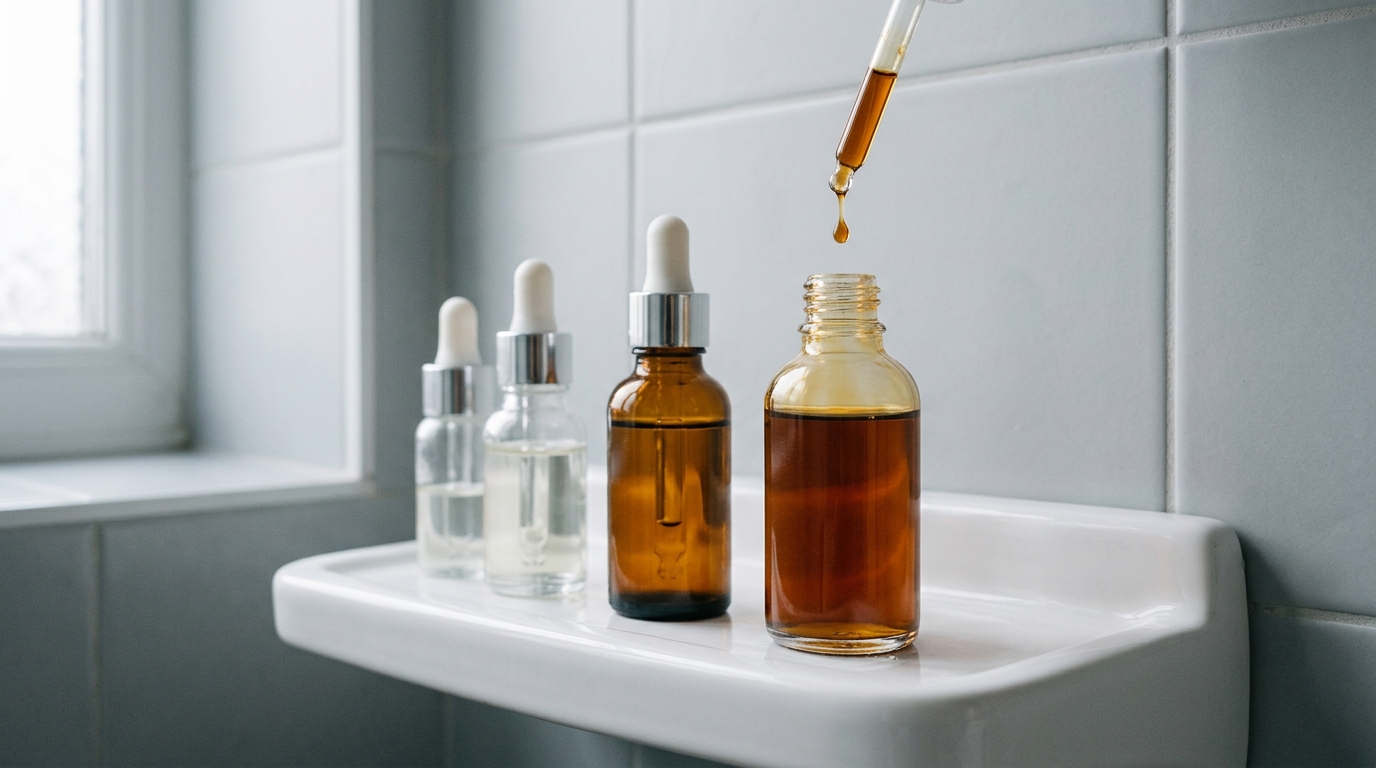
Layer serums by applying thinnest to thickest consistency, waiting 60–90 seconds between each, and never combining actives that chemically conflict - specifically vitamin C with niacinamide (debated but worth separating), or retinol with AHAs/BHAs in the same application. Follow this sequence and you eliminate 80% of the irritation people blame on "sensitive skin."
Serums are the most active step in any skincare routine. They're also the step most people get wrong - not because they choose bad products, but because they layer them carelessly. The good news: the rules are simple once you understand the logic behind them.
Why Layering Order Actually Matters
Skin absorbs ingredients most efficiently when they're applied in order of molecular weight. Lighter, water-based serums have smaller molecules that penetrate the skin barrier first. Heavier, oil-based serums sit closer to the surface and lock everything in. If you apply a thick serum before a thin one, the thin one can't get through - you've physically blocked it.
Beyond absorption, pH matters just as much. Vitamin C (L-ascorbic acid) works best at a pH of 2.5–3.5. Niacinamide works at a higher pH, around 5–7. When you mix them directly, you risk converting L-ascorbic acid into niacin, which can cause temporary skin flushing. That's not catastrophic, but it wastes expensive product and can irritate reactive skin. Apply them at separate times - vitamin C in the morning, niacinamide at night- and the problem disappears.
The Correct Serum Layering Sequence
- Cleanse and tone first. Always start with a clean, slightly damp face. Damp skin absorbs water-based serums faster and more evenly.
- Apply your thinnest, most watery serum. Hyaluronic acid serums and vitamin C serums are typically first. They have low viscosity and need direct contact with skin.
- Wait 60–90 seconds. This isn't optional. Give the first serum time to absorb before you apply the next. You don't need a timer - use this time to check your phone or brush your teeth.
- Apply your second serum. This is usually a targeted treatment - a niacinamide serum, a peptide serum, or a growth factor formula.
- Wait another 60–90 seconds. Same rule applies.
- Apply any thicker, more occlusive serums last. Face oils and bakuchiol serums go here. They seal in everything underneath.
- Finish with moisturizer and SPF (morning) or just moisturizer (night).
Most people don't need more than two serums at a time. Three is the practical maximum before you're either overloading your skin or diluting the efficacy of every product in the stack.
Active Ingredient Combinations: What Works and What Doesn't
Not all actives play well together. Here's a direct breakdown of the most common pairings:
- Vitamin C + SPF (morning): Excellent. Vitamin C boosts the photoprotective effect of sunscreen. This is one of the best combinations in skincare.
- Retinol + Peptides: Compatible. Peptides help offset some of the irritation that retinol causes during skin adjustment periods.
- Retinol + AHAs or BHAs (same session): Avoid. Both exfoliate and both increase skin turnover. Using them together in one application spikes irritation significantly. Alternate nights instead.
- Niacinamide + Retinol: Good combination. Niacinamide reduces retinol-related redness and supports the skin barrier while retinol works.
- Hyaluronic acid + almost anything: Safe. HA is non-reactive and works as a delivery carrier for other actives.
- AHAs + BHAs: Use with caution. Combining glycolic acid and salicylic acid in one step is aggressive. Fine for oily, resilient skin - too much for dry or sensitive skin.
- Vitamin C + Retinol (same session): Avoid. Both are potent and destabilize each other's efficacy at conflicting pH levels. Vitamin C goes in the morning routine, retinol at night.
Morning vs. Night: Split Your Actives Strategically
One of the simplest ways to layer more actives without irritation is to split them across AM and PM routines instead of stacking everything at once.
Morning routine serums:
- Vitamin C (antioxidant protection against UV and pollution)
- Hyaluronic acid (hydration)
- Niacinamide (barrier support, brightness)
Evening routine serums:
- Retinol or retinoid (cell turnover, collagen support)
- AHA or BHA exfoliant serum (2–3 nights per week, not nightly)
- Peptides (repair and firming)
- Bakuchiol oil (gentler retinol alternative, compatible with most actives)
This split prevents pH conflicts and lets each active do its job without competition.
Signs You're Overloading Your Skin
Irritation from poor layering doesn't always feel like a burn. Watch for these signals:
- Pilling: Serums balling up on your skin means you applied the next layer too fast or used incompatible textures.
- Persistent redness: A slight flush after vitamin C is normal. Redness that lasts 20+ minutes points to over-exfoliation or pH conflict.
- Breakouts in new areas: Layering too many occlusives or silicone-heavy serums can clog pores on skin that doesn't typically break out.
- Tightness or flaking: Your barrier is compromised. Strip your routine back to cleanser, one serum, and moisturizer for 5–7 days before reintroducing actives one at a time.
- Stinging that doesn't subside: Normal active ingredients sting slightly on contact. If the sting continues past 30 seconds, rinse the product off and reassess the combination.
Introducing New Serums Without Wrecking Your Barrier
Add one new serum at a time. Wait two full weeks before introducing another. This sounds slow, but it's the only way to know which product is causing a reaction if one develops. People who add three new serums in a week and then break out have no way to identify the culprit.
Patch test every new serum on your inner arm for 24–48 hours before applying it to your face. This won't catch every potential reaction, but it catches contact allergies and severe sensitivities before they become a full-face problem.
When you start a retinol, begin with application every third night, then every other night, then nightly - over the course of four to six weeks. Retinol purging and dryness is normal in the first month; persistent irritation past six weeks means the concentration is too high for your skin.
The "Skin Barrier First" Rule
No serum stack works if your skin barrier is compromised. A damaged barrier - caused by over-exfoliating, harsh cleansers, or poor hydration - means active ingredients penetrate too deeply and cause inflammation instead of results.
If your skin is reactive right now, pause all actives. Use a gentle cleanser, a ceramide-based moisturizer, and nothing else for one week. Once your skin is calm, stable, and comfortable, reintroduce one serum at a time. Niacinamide and hyaluronic acid are the safest first choices because they support the barrier rather than challenge it.
Healthy skin tolerates more. Build your barrier first, then build your serum routine.
---How To Layer Serums FAQ
Can you use two serums with the same active ingredient?
Generally, no. Layering two retinol serums or two vitamin C serums doubles the concentration without doubling the benefit, and it significantly increases irritation risk. Choose one well-formulated serum per active ingredient and use it consistently rather than stacking duplicates.
How long should you wait between serum layers?
Wait 60–90 seconds between each serum. Full absorption takes longer, but this interval is enough for the surface of the skin to stop feeling wet and tacky before you apply the next layer. For high-actives like L-ascorbic acid vitamin C, some dermatologists recommend waiting up to 5 minutes before applying the next serum.
Is it okay to mix serums together in your palm before applying?
No. Mixing serums before application can destabilize pH-sensitive ingredients, reduce efficacy, and cause unexpected reactions. Apply them separately in the correct sequence every time.
What's the maximum number of serums you should use at once?
Two to three serums per routine is the practical ceiling for most people. Beyond three, you risk pilling, barrier disruption, and diluted results from each product. More serums does not mean better skin - targeted, consistent use of two well-chosen serums outperforms a six-product stack used inconsistently.
Why does my skin pill when I layer serums?
Pilling happens when you apply the next product before the previous one has absorbed, or when you combine silicone-heavy products with water-based formulas. Fix it by waiting longer between layers, applying less product (3–4 drops per serum is enough), and checking ingredient lists for high silicone content in products you're layering together.

